

Cannabis Fundamentals
A Beginner to Advanced Guide
The Euphoria Wellness Cannabis Knowledge Hub helps Las Vegas and Nevada consumers better understand how cannabis works, what cannabinoids and terpenes do, how products are grown and processed, and how to make more informed consumption decisions. Whether you're a first-time consumer or an experienced cannabis enthusiast, this science-based resource center provides trustworthy educational content backed by research and the expertise of Euphoria Wellness.
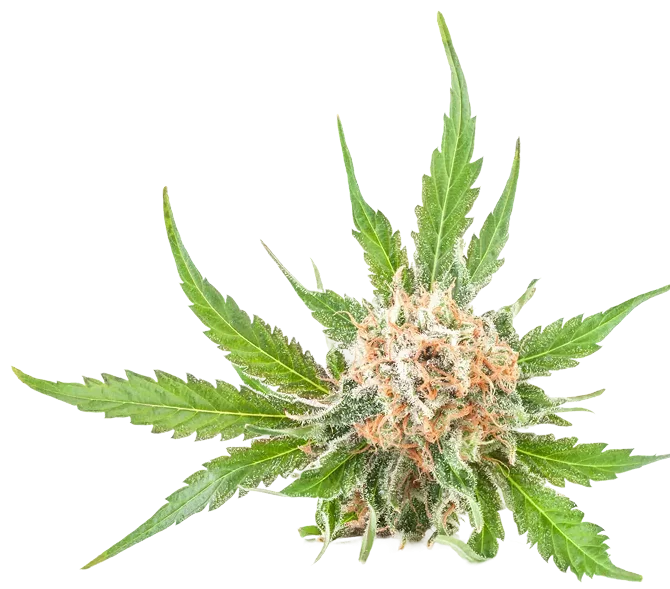
Expert-crafted guides covering everything from basics to advanced topics, with special focus on Las Vegas and Nevada-specific information.
Expert-crafted guides covering everything from basics to advanced topics, with special focus on Las Vegas and Nevada-specific information.
Master Cannabis Knowledge
Each guide is written to be accurate, science-based, and easy to understand, whether you're just starting or deepening your expertise.
What You'll Learn
In this hub, you'll discover the essential concepts behind cannabis

What cannabis is and its history
How cannabinoids affect the body
How the endocannabinoid system works
Cannabis cultivation & processing
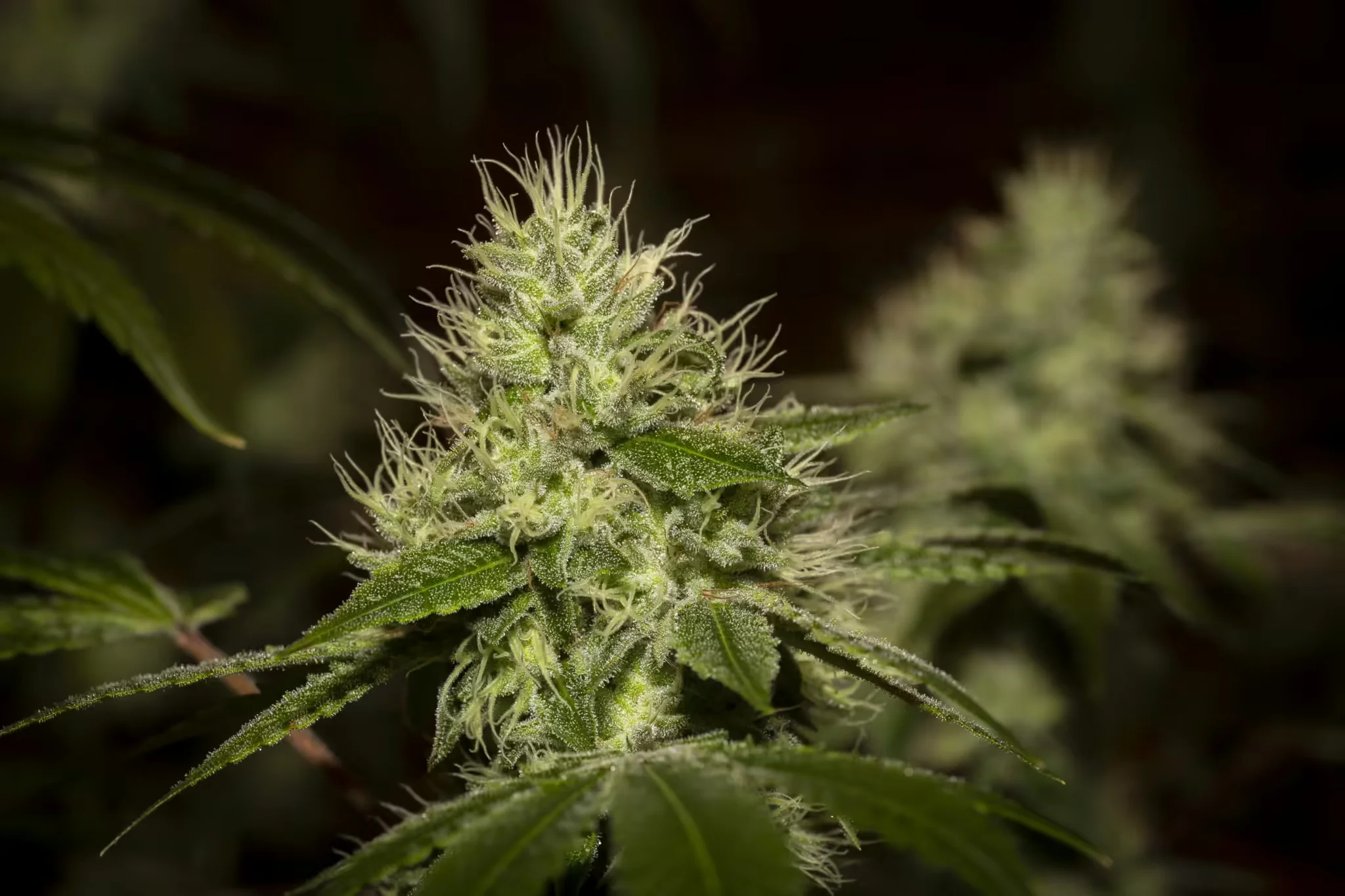
What Is Cannabis?
Cannabis is a flowering plant genus that produces biologically active compounds called cannabinoids and terpenes. These compounds interact with the human body, particularly the endocannabinoid system, to produce effects ranging from relaxation and pain relief to stimulation and focus.
Cannabis has been used for medicinal, industrial, and recreational purposes for thousands of years. Today, it is one of the most extensively studied plants in modern science, with growing research into its therapeutic potential.
There are three primary species: Cannabis sativa, Cannabis indica, and Cannabis ruderalis. While traditional classifications have long separated these into distinct categories, modern science shows that cannabinoid and terpene profiles are more accurate predictors of effects than species alone.
In Nevada, cannabis is legal for adults 21 and older for both medical and recreational use. Euphoria Wellness serves Las Vegas residents and visitors through in-store shopping and licensed delivery across the valley.
THC
Therapeutic Potential
Industrial
Recreational
Cannabinoids Explained
Cannabinoids are the primary active compounds found in cannabis. Over 100 cannabinoids have been identified, each interacting with the body in different ways through the endocannabinoid system.
Cannabinoids are produced in the trichomes of the cannabis plant, the tiny, crystal-like structures on the flowers and leaves. Each cannabinoid plays a unique role, and its effects can vary with dosage, form, and combinations with other compounds.
Key Cannabinoids and What They Do:
- THC (Tetrahydrocannabinol): The primary psychoactive compound in cannabis, responsible for the euphoric sensation most consumers associate with cannabis use.
- CBD (Cannabidiol): Non-intoxicating. Associated with a sense of calm, balance, and relief. Widely used in both cannabis and hemp products.
- CBN (Cannabinol): Often associated with sedation; tends to increase in concentration as cannabis ages.
- CBG (Cannabigerol): Known as the “parent cannabinoid” because THC and CBD both develop from CBGA, the acidic form of CBG.
- THCA (Tetrahydrocannabinolic Acid): The non-psychoactive precursor to THC. Becomes psychoactive only when heated through a process called decarboxylation.
According to the National Institute on Drug Abuse (NIDA), the endocannabinoid system plays an important role in regulating mood, memory, appetite, and other biological functions.
Each cannabinoid plays a unique role, and its effects can change depending on dosage, form, and combination with other compounds.
THC
CBD
CBN
CBG
THCA & More
The Endocannabinoid System (ECS)
The endocannabinoid system (ECS) is a complex cell-signaling system found throughout the human body. It helps regulate functions such as mood, sleep, appetite, pain response, immune function, and homeostasis.
The ECS was discovered in the early 1990s and consists of three core components: endocannabinoids (naturally produced by the body), cannabinoid receptors (CB1 and CB2), and enzymes that break down endocannabinoids after they are used.
Cannabinoids from cannabis interact with CB1 and CB2 receptors, mimicking or influencing the body's naturally produced endocannabinoids. CB1 receptors are concentrated primarily in the brain and central nervous system, while CB2 receptors are found mainly in the immune system and peripheral organs.
According to the National Institute on Drug Abuse (NIDA), the endocannabinoid system plays an important role in regulating mood, memory, appetite, and other biological functions.
ECS
CB1 Receptors
CB2 Receptors
Homeostasis
Terpenes Guide
Terpenes are aromatic compounds found in cannabis and hundreds of other plants. They are responsible for cannabis's scent, flavor, and many of its effects. Terpene profiles vary significantly between strains and play a key role in shaping the overall experience.
While cannabinoids like THC and CBD get most of the attention, terpenes are increasingly recognized as critical contributors to the cannabis experience. Research suggests that terpenes work synergistically with cannabinoids through the entourage effect, in which the combined impact of multiple compounds exceeds that of any single compound alone.
Common Cannabis Terpenes and Their Effects:
- Myrcene: Earthy, musky aroma. The most common terpene in cannabis. Associated with relaxing, sedative effects.
- Limonene: Bright citrus scent. Associated with uplifting and mood-elevating effects.
- Pinene: Fresh pine aroma. Associated with alertness and may support memory.
- Linalool: Floral, lavender-like. Associated with calming and stress-relieving properties.
- Caryophyllene: Spicy, peppery. Unique among terpenes for its ability to interact directly with CB2 receptors, acting like a cannabinoid.
Research published through PubMed and the National Center for Biotechnology Information (NCBI) has explored how cannabis terpenes may contribute to the entourage effect and influence aroma, flavor, and user experience.
When choosing a cannabis product, looking beyond THC percentage to the terpene profile can help predict the type of experience you’ll have.
Myrcene
Limonene
Pinene
Linalool
Indica vs. Sativa vs. Hybrid
Indica, sativa, and hybrid are the three traditional cannabis classifications. While widely used, these labels are increasingly seen as an oversimplification. Modern research shows that cannabinoid and terpene profiles, not plant shape or lineage, are more reliable predictors of effects.
The traditional indica/sativa framework has roots in 18th-century botany, originally used to classify plant morphology rather than effects. Over time, cannabis culture adopted these terms to describe expected experiences: indica for body relaxation, sativa for mental energy, and hybrid for a blend of both.
However, decades of crossbreeding mean that most commercially available cannabis is genetically hybrid. Two strains labeled “sativa” can produce very different effects depending on their specific cannabinoid and terpene compositions.
How Modern Cannabis Classification Works:
- Where the indica and sativa classifications originally came from
- Why do effects vary even within the same “type”
- How to use cannabinoid and terpene data to make better product choices
- How modern dispensaries categorize cannabis today
Updated Science
Effect Profiles
Modern Classification
Cannabis Plant Anatomy
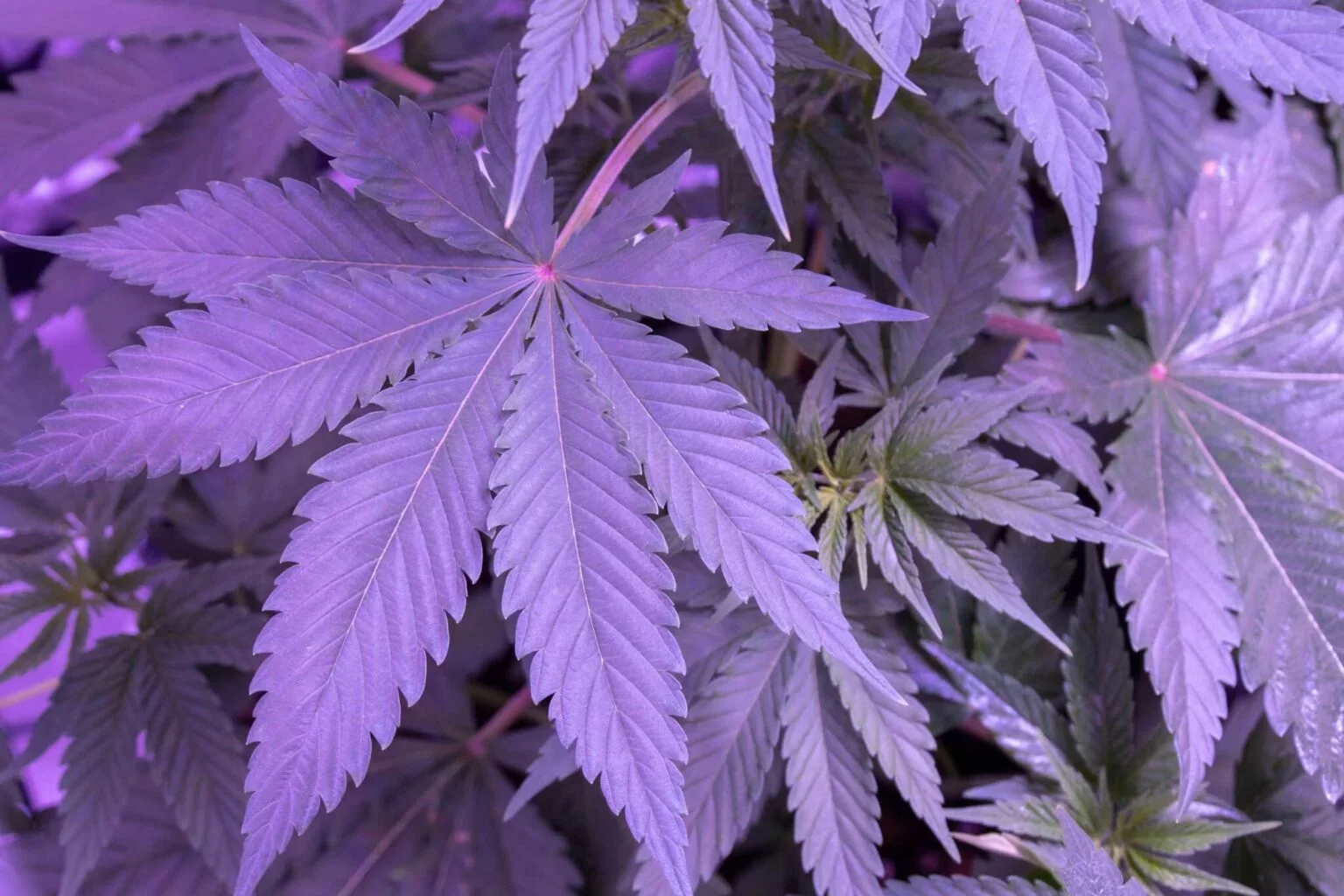
Understanding cannabis plant anatomy helps explain how and where cannabinoids and terpenes are produced, and why different parts of the plant matter for quality, potency, and product type.
Parts of the Cannabis Plant:
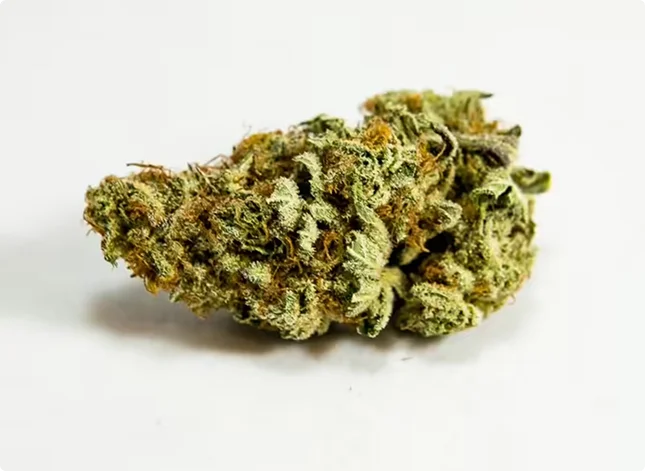
- Flowers (Buds): The primary site where cannabinoids and terpenes are concentrated. Flowers are harvested and processed into most cannabis products.
- Trichomes: Microscopic, resin-producing glands that cover the flowers and surrounding leaves. They are where cannabinoids like THC and CBD are synthesized and stored.
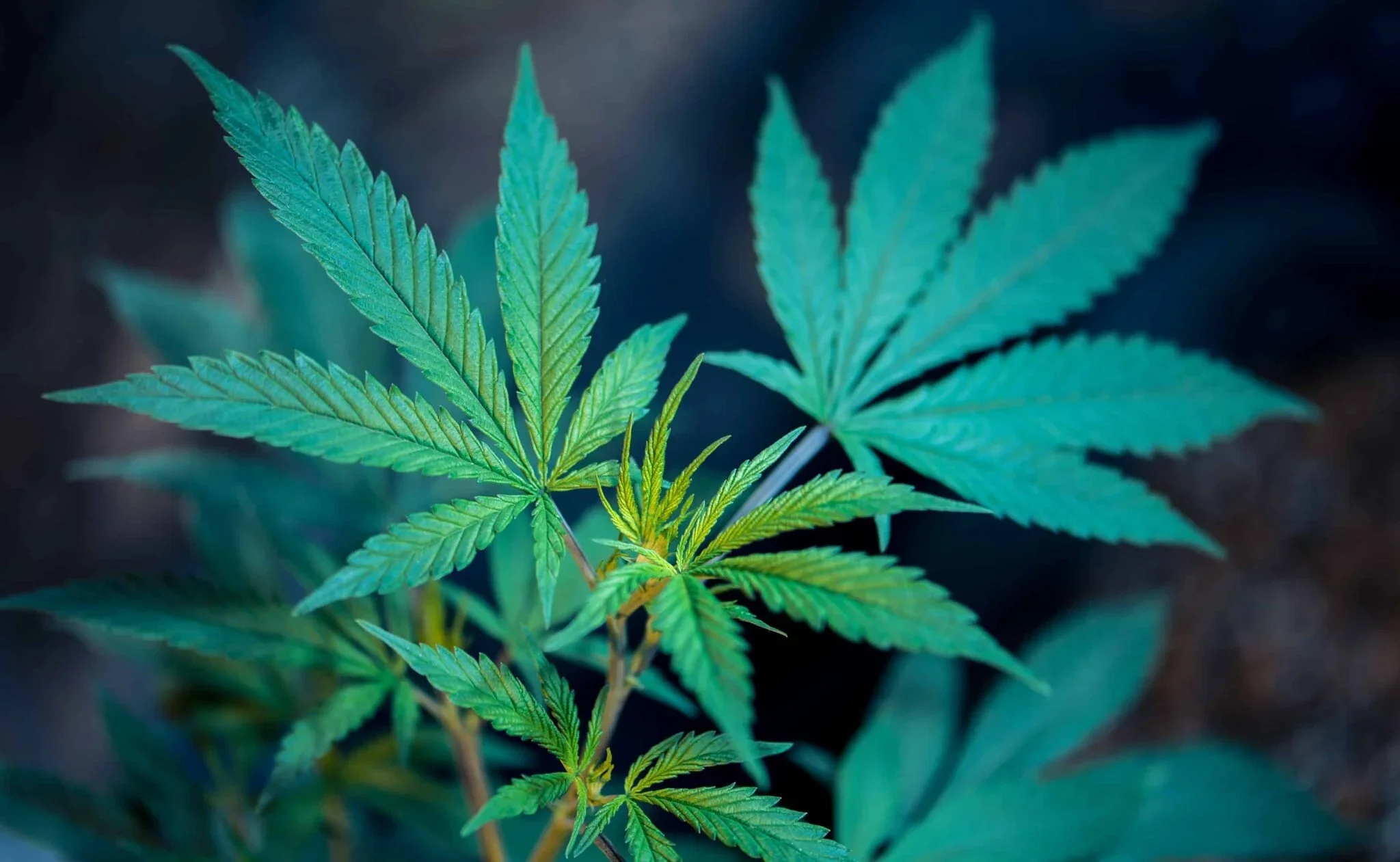
- Leaves: Support photosynthesis and plant growth. Fan leaves have minimal cannabinoid content; sugar leaves (close to the buds) may have light trichome coverage.
- Stems and Roots: Provide structural support and nutrient transport. Stems contain minimal cannabinoids.
- Cola Structure: The tight cluster of buds growing along the top of the main stem or branches; the primary harvest site.
This foundational knowledge is essential for understanding cultivation, quality assessment, and why product forms differ in potency and effect.
Flowers
Trichomes
Cola Structure
How Cannabis Is Grown and Processed
Cannabis cultivation and processing methods directly impact quality, potency, consistency, and the final product experience. Understanding these methods helps consumers make more informed choices about the products they select.
Cannabis Cultivation and Processing Methods:
- Indoor vs. Outdoor vs. Greenhouse Growing: Indoor cultivation offers maximum control over environment, light cycles, and humidity, typically producing higher-potency, more consistent flowers. Outdoor growing uses natural sunlight and is more sustainable at scale. Greenhouse growing combines both approaches.
- Harvesting and Drying: Cannabis is harvested when trichomes reach peak maturity, indicated by color changes visible under magnification. After harvest, flowers are carefully dried to reduce moisture content.
- Curing for Flavor and Potency: Following drying, cannabis is cured and stored in controlled conditions over several weeks. Proper curing develops flavor complexity, smooth smoke, and helps preserve cannabinoid and terpene profiles.
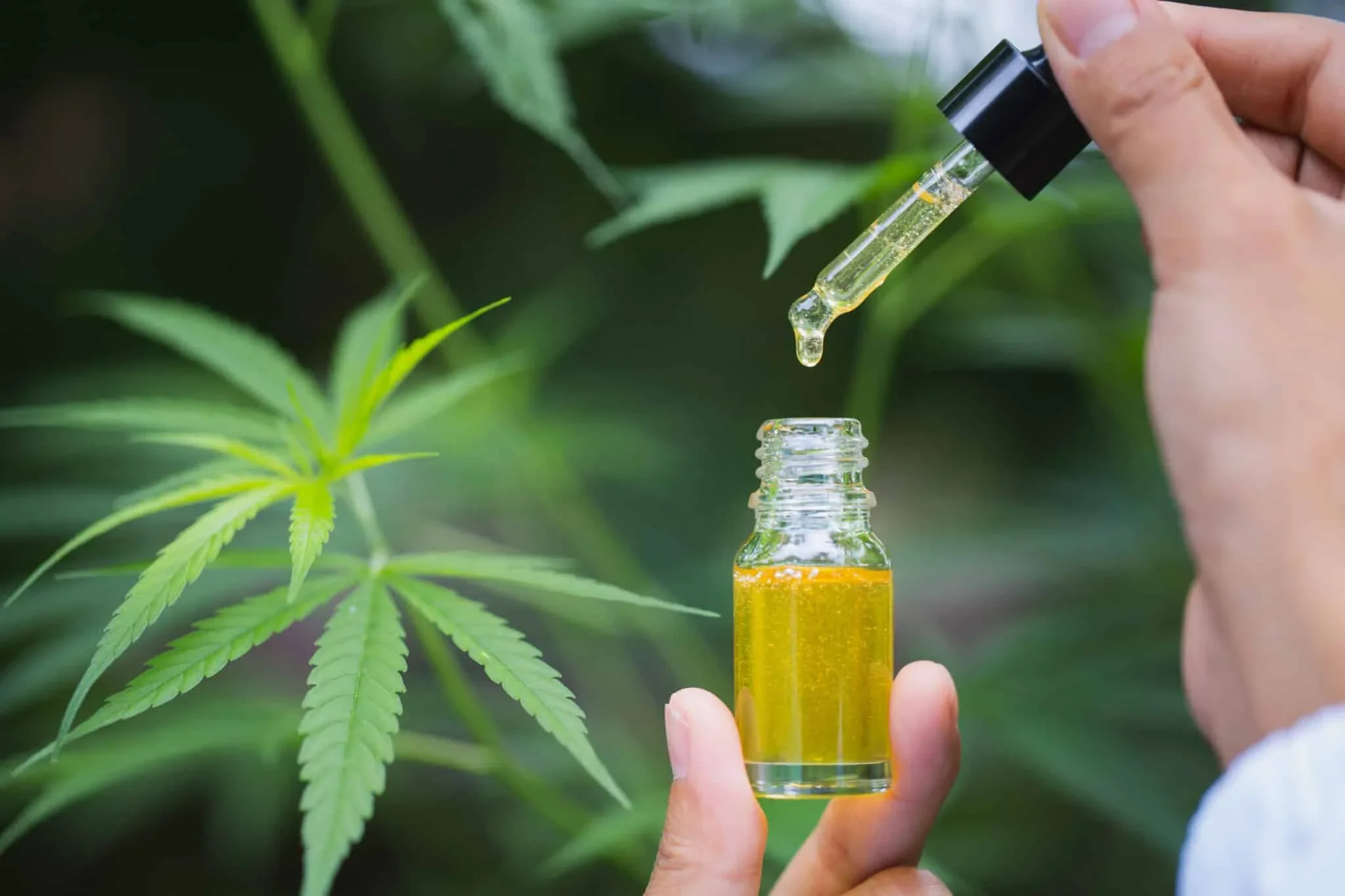
- Processing Methods for Concentrates and Extracts: Various extraction methods (CO2, hydrocarbon, solventless) isolate cannabinoids and terpenes to create concentrates, oils, distillates, and other refined products.
Indoor Growing
Harvesting
Curing
Concentrates
Decarboxylation Explained
Decarboxylation is the chemical process that activates cannabinoids in cannabis. Raw cannabis contains compounds in their acidic, inactive forms, primarily THCA and CBDA. When exposed to heat, these acids lose a carboxyl group (CO₂) and convert into their active forms: THC and CBD.
How Decarboxylation Activates Cannabinoids:
- Why smoking and vaping work immediately: Heat applied during combustion or vaporization triggers instant decarboxylation, converting THCA to active THC in real time.
- Why edibles must be heated during preparation: Raw cannabis added to food without prior decarboxylation will not produce psychoactive effects, because THCA has not been converted to THC.
- How activation affects potency and effects: Decarboxylation temperature and duration influence how completely cannabinoids are activated; too much heat degrades cannabinoids and reduces potency.
Research published through PubMed and the National Center for Biotechnology Information (NCBI) has explored how cannabis terpenes may contribute to the entourage effect and influence aroma, flavor, and user experience.
Activation Process
Heat Application
Potency
Ready to Find the Right Cannabis Product?
Visit Euphoria Wellness in Las Vegas or order delivery across the valley.
Key Compounds
Common Cannabinoids
Each cannabinoid plays a unique role, and effects can change depending on dosage, form, and combination with other compounds.
THC
Psychoactive effects, euphoria, relaxation
CBD
Non-intoxicating,
balance and relief
CBN
Often linked
to sedation
CBG
Parent cannabinoid; precursor to THC and CBD
THCA
Non-psychoactive precursor; activates with heat
Start Learning the Right Way
Cannabis Is Complex, but Understanding the Fundamentals Makes Everything Clearer
This Cannabis Fundamentals hub is the foundation for all other topics in our Knowledge Center. Every guide is written to be accurate, science-based, and easy to understand. When you’re ready to put knowledge into practice, our team at Euphoria Wellness is here to help you find the right products.
Frequently Asked Questions About Cannabis
Is cannabis legal in Nevada?
Yes. Adult-use cannabis is legal in Nevada for adults age 21 and older. Licensed dispensaries may legally sell cannabis products, including flower, edibles, concentrates, and vape products, in accordance with Nevada cannabis regulations.
What is the difference between THC and CBD?
THC (tetrahydrocannabinol) is the primary psychoactive cannabinoid responsible for the “high” associated with cannabis. CBD (cannabidiol) is non-intoxicating and is commonly associated with wellness, relaxation, and balance without strong psychoactive effects.
How does the endocannabinoid system work?
The endocannabinoid system (ECS) is a network of receptors and signaling compounds found throughout the body. It helps regulate functions such as mood, appetite, memory, sleep, and stress response. Cannabinoids like THC and CBD interact with this system in different ways.
What are terpenes and why do they matter?
Terpenes are aromatic compounds found in cannabis and many other plants. They influence the flavor and aroma of cannabis products and may also contribute to the overall effects and user experience through the entourage effect.
Are indica and sativa labels accurate?
Modern cannabis experts increasingly view indica and sativa labels as simplified categories rather than strict scientific classifications. Effects can vary based on cannabinoid content, terpene profiles, dosage, and individual body chemistry.
Do edibles need to be decarboxylated?
Yes. Cannabis must typically go through decarboxylation — a heating process that activates cannabinoids like THC and CBD — before being infused into most edible products.
Where can I buy cannabis in Las Vegas?
Adults 21 and older can purchase cannabis products from licensed Nevada dispensaries such as Euphoria Wellness in Las Vegas. Consumers can shop in-store or order eligible products for local delivery where permitted by Nevada law.
Featured Articles
Start Your Learning Journey
Continue learning by exploring each topic above or move on to:
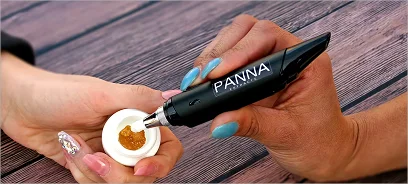
Cannabis Consumption Methods
Learn about smoking, vaping, edibles, tinctures, and more, and how each method affects onset time, duration, and intensity.
Medical vs. Recreational Use
Understand the differences and benefits of medical and recreational cannabis in Nevada, including how to qualify for a medical card.
Product Types & Formats
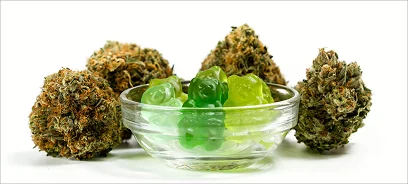
Explore flowers, concentrates, edibles, topicals, and tinctures, what makes each unique, and how to choose the right format for your needs.